
Building Confident, Thoughtful Therapy Dog Teams
Therapy dog work is about more than having a friendly dog. It requires confidence, manners, emotional stability, thoughtful handling, and a dog-human partnership built on trust.
Program investment
Custom pricing
Based on your team's needs
Therapy Dog Preparation
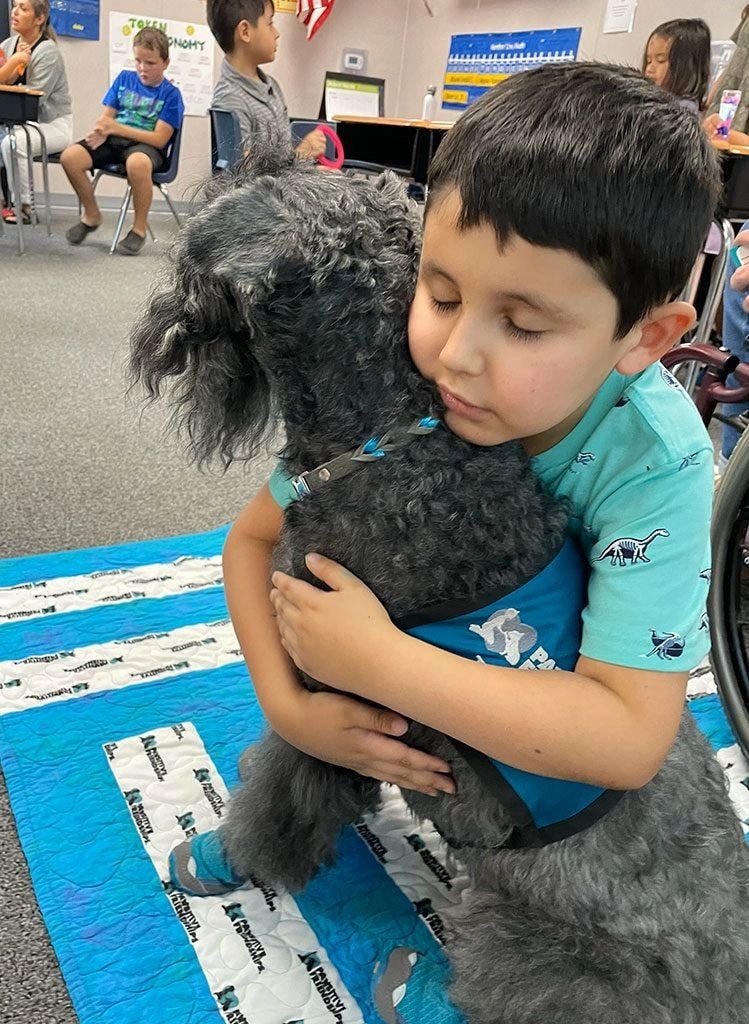
Therapy dogs can make a meaningful difference in the lives of others — visiting schools, care facilities, therapy settings, and community programs where their calm presence, gentle interactions, and steady temperament provide emotional, social, and developmental support.
However, therapy dog work goes beyond having a sweet dog. Dogs must be comfortable around new people, unfamiliar environments, equipment, sounds, movement, and various types of interactions. Handlers need to understand how to advocate for their dog, interpret body language, support appropriate engagement, and create safe, positive experiences for everyone involved.
For teams who are interested in giving back, Connected Canine also helps introduce therapy dog graduates to volunteer opportunities through our partnership with Pawsitive Friendships — an organization providing animal-assisted therapy programs for individuals with special needs.
Our goal extends beyond helping your dog pass a therapy dog evaluation. We aim to cultivate a thoughtful, reliable team that can serve others while prioritizing your dog's comfort, communication, and well-being. Because at Connected Canine, Connection Comes First.
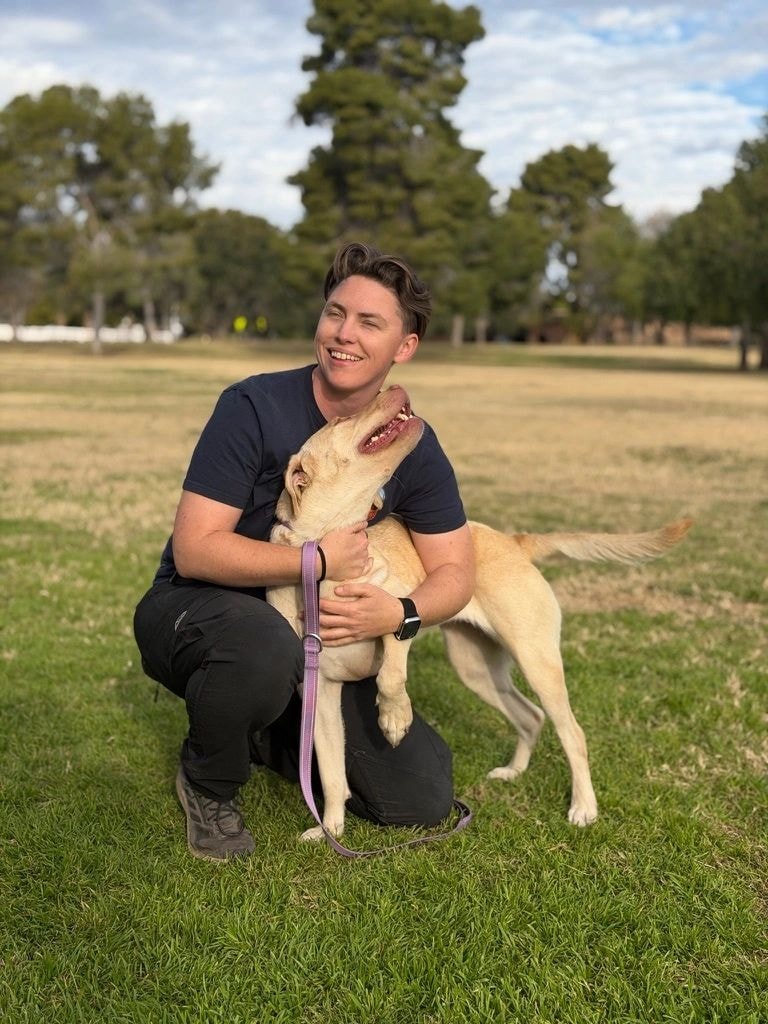
Is Therapy Dog Preparation Right for My Dog?
Therapy dog preparation may be an excellent choice if:
- Your dog enjoys meeting new people and demonstrates a calm, friendly, confident demeanor
- Your dog can recover well from new or unexpected experiences
- Your dog has a stable temperament and is comfortable with appropriate handling
- Your dog can remain settled around distractions
- Your dog has strong basic manners and is ready to build on them
- You want to prepare for a therapy dog evaluation
- You are interested in volunteer opportunities through organizations like Pawsitive Friendships
- You want ethical, relationship-based preparation that benefits both dog and handler
Every therapy dog journey begins with an evaluation. We assess your dog's temperament, confidence, current skills, comfort around people, public readiness, and overall suitability for therapy dog work before recommending a tailored training plan.
How Therapy Dog Preparation Works
Evaluation
We begin by learning about your dog, your goals, and the type of therapy work you are interested in pursuing. We assess temperament, confidence, manners, comfort with handling, social behavior, environmental sensitivity, and the ability to recover from new experiences. If therapy dog work is not the right fit, we will communicate that honestly and help recommend the best next step.
Foundational Training
Before pursuing therapy dog evaluation, candidates must develop strong foundational skills. Depending on your dog, this stage may include loose leash walking, polite greetings, settling, handler focus, impulse control, calm behavior around distractions, comfort with handling, recall, public manners, and confidence building.
Public Manners and Environmental Confidence
Therapy dogs often work in environments filled with unfamiliar people, sounds, surfaces, equipment, and movement. We help dogs build confidence and calm behavior around real-world distractions — mobility equipment, medical-style equipment, unusual sounds, different surfaces, groups of people, doorways, hallways, and waiting areas. The goal is to thoughtfully prepare them for the types of environments they may encounter.
Handler Coaching
A therapy dog team consists of both the dog and the handler. We assist handlers in learning how to read their dog's body language, support appropriate interactions, advocate for their dog, guide greetings, and recognize when their dog needs space or a break. A strong therapy team is not only well-trained but also connected, thoughtful, and responsive to one another.
Evaluation Readiness
As your dog progresses, we guide your team through the expectations for therapy dog evaluation. This may include calm greetings, appropriate handling, walking through groups, settling near people, staying connected around distractions, polite interactions, confidence in new settings, handler awareness, and recovery after excitement.
Volunteer Pathway — Pawsitive Friendships
For teams ready to give back, Connected Canine helps introduce therapy dog graduates to volunteer opportunities through our partnership with Pawsitive Friendships. They offer animal-assisted therapy programs for individuals with special needs, partnering with schools, special education classrooms, and adult day programs. Volunteer Therapy Teams support adaptive activities that help participants develop social skills, life skills, motor skills, speech, motivation, and confidence.
Continued Support
Therapy dog work is an ongoing journey. As your team gains experience, new questions and challenges may arise. Connected Canine is here to support your continued growth through additional coaching, skill maintenance, and guidance. We can also connect you with volunteer opportunities to help you and your dog develop even further as a cohesive therapy team.
Our Partnership with Pawsitive Friendships
Pawsitive Friendships provides animal-assisted therapy programs designed for individuals with special needs, collaborating with schools, special education classrooms, and adult day programs. Volunteer Therapy Teams play a crucial role in supporting adaptive activities that help participants develop social skills, life skills, motor skills, speech, motivation, and confidence.
Learn More about Pawsitive Friendships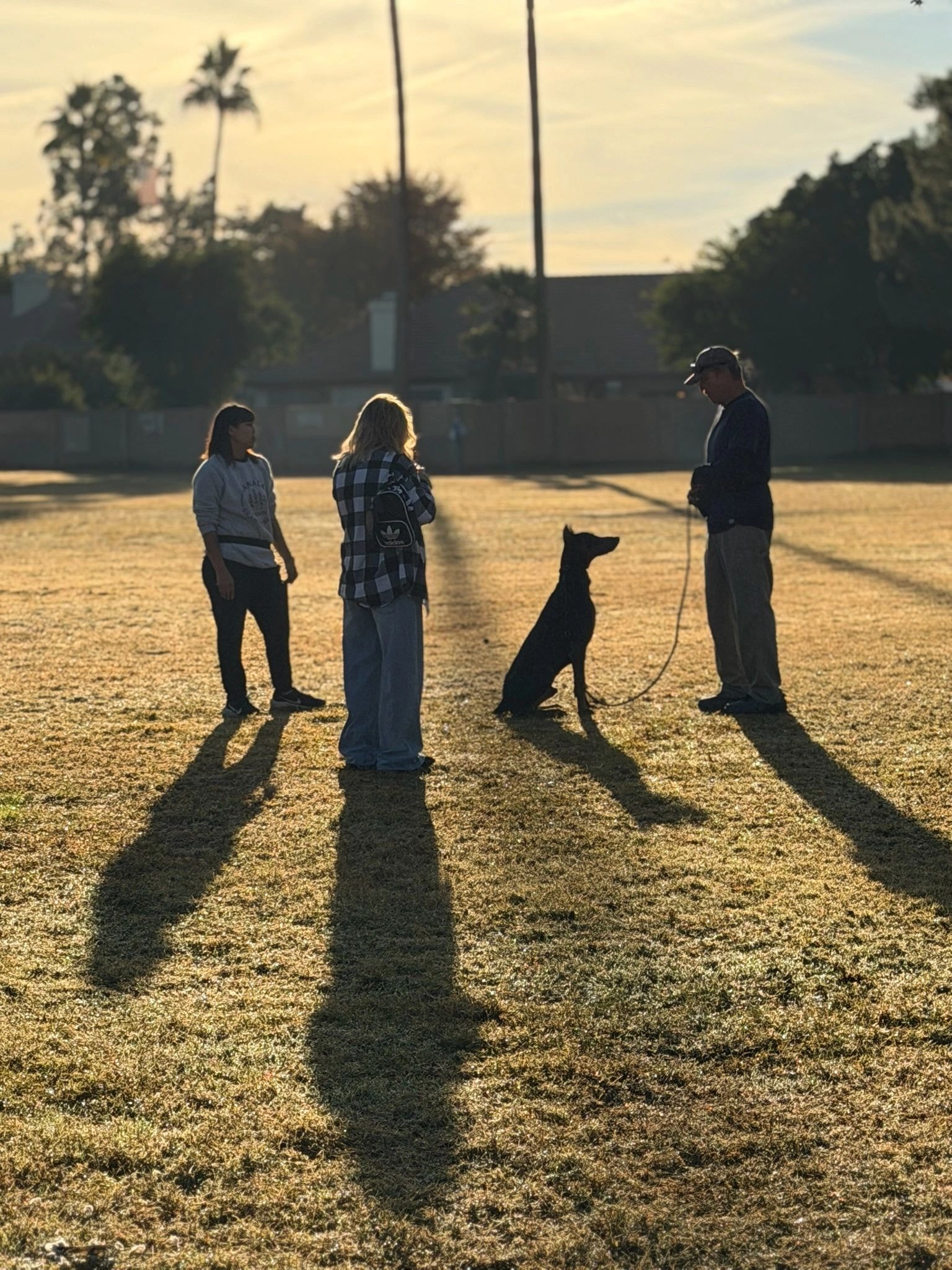
Why Connected Canine?
Connected Canine was built on the belief that meaningful training begins with relationship. Therapy Dog Preparation requires more than technical skill. It requires compassion, communication, trust, and respect for the dog's emotional experience.
- Ethical and relationship-based
- Individualized and humane
- Professional and evaluation-focused
- Supportive of long-term success
- Connected to meaningful volunteer opportunities
- Respectful of the dog's emotional experience
We look at the whole dog: temperament, confidence, comfort with people, emotional state, public readiness, handling tolerance, relationship with the handler, and long-term suitability for therapy work. We believe therapy dog preparation should support both the people being served and the dog doing the work. Because at Connected Canine, Connection Comes First.
Book a Free ConsultationContinue Your Dog's Journey
Service Dog Training
For qualified dogs and handlers, Service Dog Training offers reliable task work, public access skills, and a strong partnership built on individualized, ethical training.
Learn moreResidency™
For families seeking immersive training and real-world support, Residency™ provides a customized Board & Train experience with owner coaching and lifelong support.
Learn moreDay School™
Continue building real-world skills through individualized training focused on manners, confidence, public skills, and AKC Canine Good Citizen milestones.
Learn moreReady to Begin Therapy Dog Preparation?
Therapy dog work is a meaningful way to share your dog's calm presence, training, and connection with others. Connected Canine is here to help you understand whether therapy work is the right fit, prepare for evaluation, and explore volunteer opportunities through our partnership with Pawsitive Friendships.
Schedule an Evaluation