
Building Reliable Working Partnerships Through Ethical Training
Service dog training requires more than obedience. It requires the right dog, the right handler partnership, thoughtful task training, public access preparation, and a clear understanding of the responsibility involved.
Program investment
Custom pricing
Based on your team's needs
Service Dog Training
A service dog is not just a well-trained companion — they are crucial working partners who must perform specific tasks, remain reliable in public environments, and confidently support their handler's needs. This level of ethical service dog training requires time, structure, commitment, and careful evaluation.
Not every dog is suited for service work, and the journey varies for each dog. Some may require foundational skills, while others focus on public access preparation, task training, confidence building, or enhancing the handler-dog relationship. Connected Canine's Service Dog Training program is designed for qualified dogs and handlers who need individualized, relationship-based support.
For those seeking an extra layer of accountability, we offer handler coaching to help prepare qualified teams for Certify Canine's third-party evaluation process — standardized testing for task-based Service Dog and Facility Dog teams covering public access and task-based skill evaluations. While certification is not mandated under the ADA, we view third-party testing as an optional resource for teams desiring structured evaluation and added confidence in their working partnership.
At Connected Canine, we strongly believe in ethical service dog training that is honest, thoughtful, and tailored to each unique team. Because Connection Comes First.
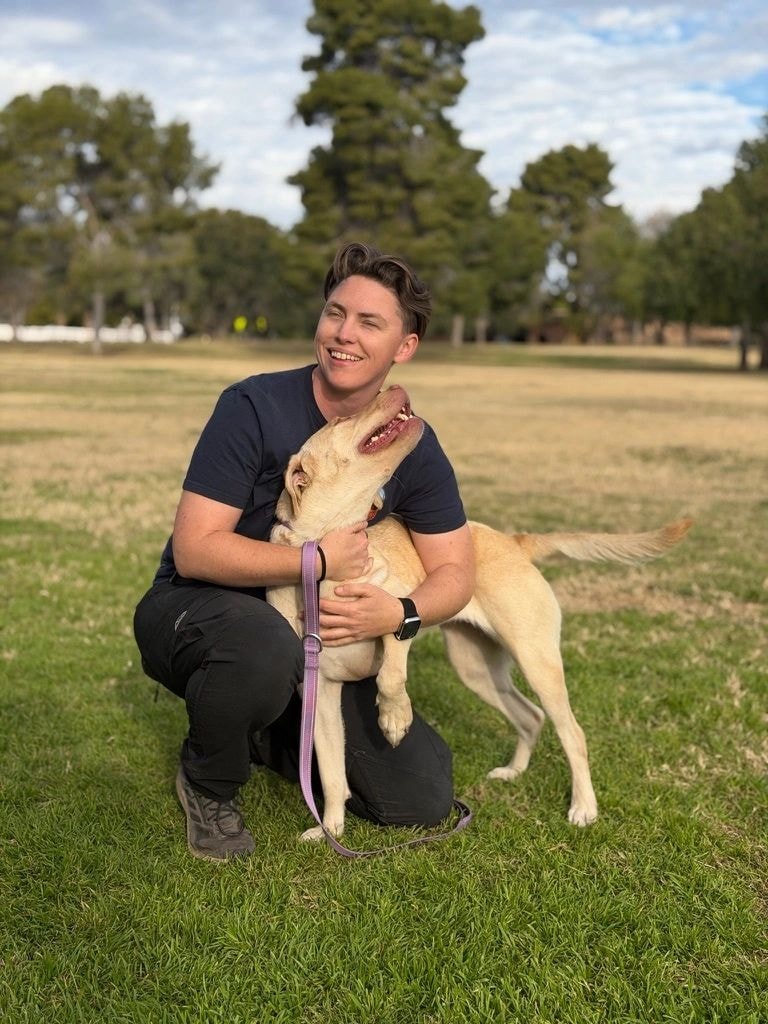
Is Service Dog Training Right for My Dog?
Service dog training may be a good fit if:
- You are looking for professional support in an ethical service dog training program for a qualified candidate
- Your dog has the temperament and stability needed for service work
- Your dog needs task training related to your specific needs
- Your dog requires public access preparation
- Your dog needs stronger focus, reliability, or confidence
- You want help determining whether your dog is a good service dog candidate
- You need handler coaching to build a stronger working partnership
- You are interested in preparing for third-party evaluation through Certify Canine
- You understand that service dog training requires consistency, time, and handler participation
- You want ethical, relationship-based training focused on long-term success
Every service dog journey begins with an evaluation. This allows us to assess your dog's temperament, current skills, confidence, behavior, public readiness, and suitability for service work before recommending a training plan.
How Service Dog Training Works
Consultation and Evaluation
We begin by learning about your goals, your dog's history, current skills, and the type of support you are seeking. This evaluation helps us determine whether your dog may be an appropriate service dog candidate and what type of training plan is needed. We assess temperament, confidence, stress recovery, focus, handler connection, public comfort, environmental sensitivity, trainability, and current skill level.
Foundational Training
Before a dog can engage in reliable service work, they need a strong foundation. Depending on the dog, this stage may include communication, handler focus, leash skills, recall, settling, impulse control, public manners, confidence building, neutrality around distractions, and reliability in different environments.
Public Access Preparation
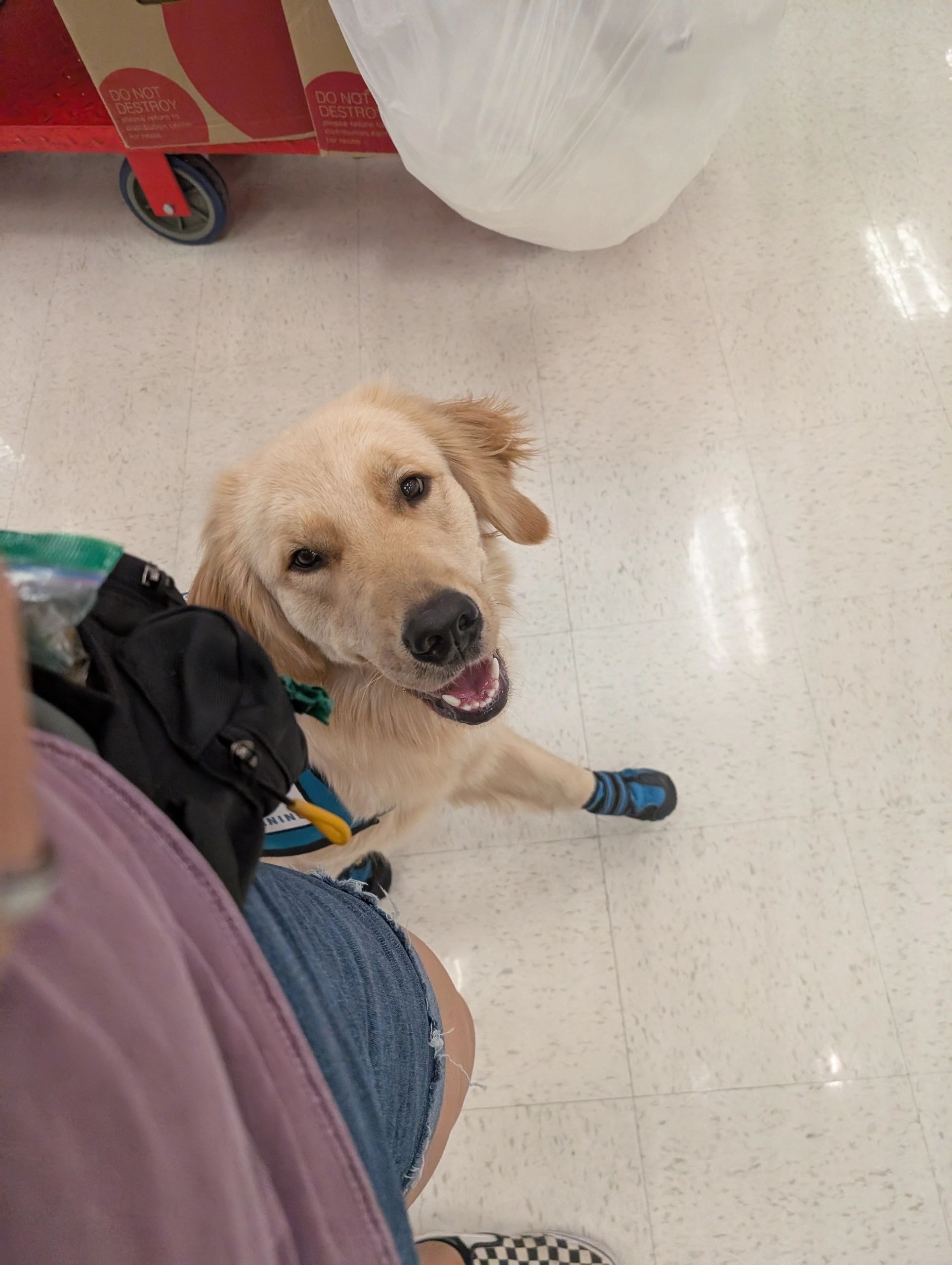
Service dogs must remain focused, calm, and reliable in public environments. Public access preparation may include training in stores, sidewalks, parking lots, elevators, doorways, waiting areas, restaurant-style environments, and around public distractions — people, carts, sounds, and movement.
Task Training
Task training is tailored to meet the handler's needs and the dog's abilities. Tasks must be useful, reliable, and suitable for the dog and handler team. We help shape, strengthen, and proof task behaviors so they become integral to a consistent working partnership. The specific task plan depends on your goals, your dog's suitability, and what is appropriate for your team.
Certify Canine Preparation
For qualified teams seeking an added layer of third-party evaluation, Connected Canine can assist in preparing for Certify Canine's testing process — standardized testing for task-based Service Dog and Facility Dog teams, including public access and task-based skill evaluation. Participation is optional and not required under the ADA.
Handler Coaching
A service dog team consists of both the dog and the handler. We educate handlers on communication, timing, expectations, maintenance, public handling, and how to support their dog's ongoing development. Our goal is for your dog to work confidently and reliably with you — not just with the trainer.
Continued Support
Service dog training is a long-term commitment. As your dog progresses, we help guide the next steps, troubleshoot challenges, and provide ongoing coaching. Continued education, maintenance, and support are essential for ensuring long-term reliability. Connected Canine is here to support the team, not just the training plan.
Why Connected Canine?
Connected Canine was built on the belief that meaningful training begins with relationship. Service dog training requires trust between the dog, the handler, and the trainer. It requires clear communication, thoughtful planning, and a deep respect for the responsibility involved.
- Ethical and relationship-based
- Individualized to each team
- Honest and transparent
- Professional and real-world focused
- Supportive of long-term success
- Optional Certify Canine preparation for qualified teams
We look at the whole dog: temperament, confidence, emotional state, learning history, environment, handler relationship, task needs, public readiness, and long-term goals. We believe service dog training should support both ends of the leash. Because at Connected Canine, Connection Comes First.
Book a Free Consultation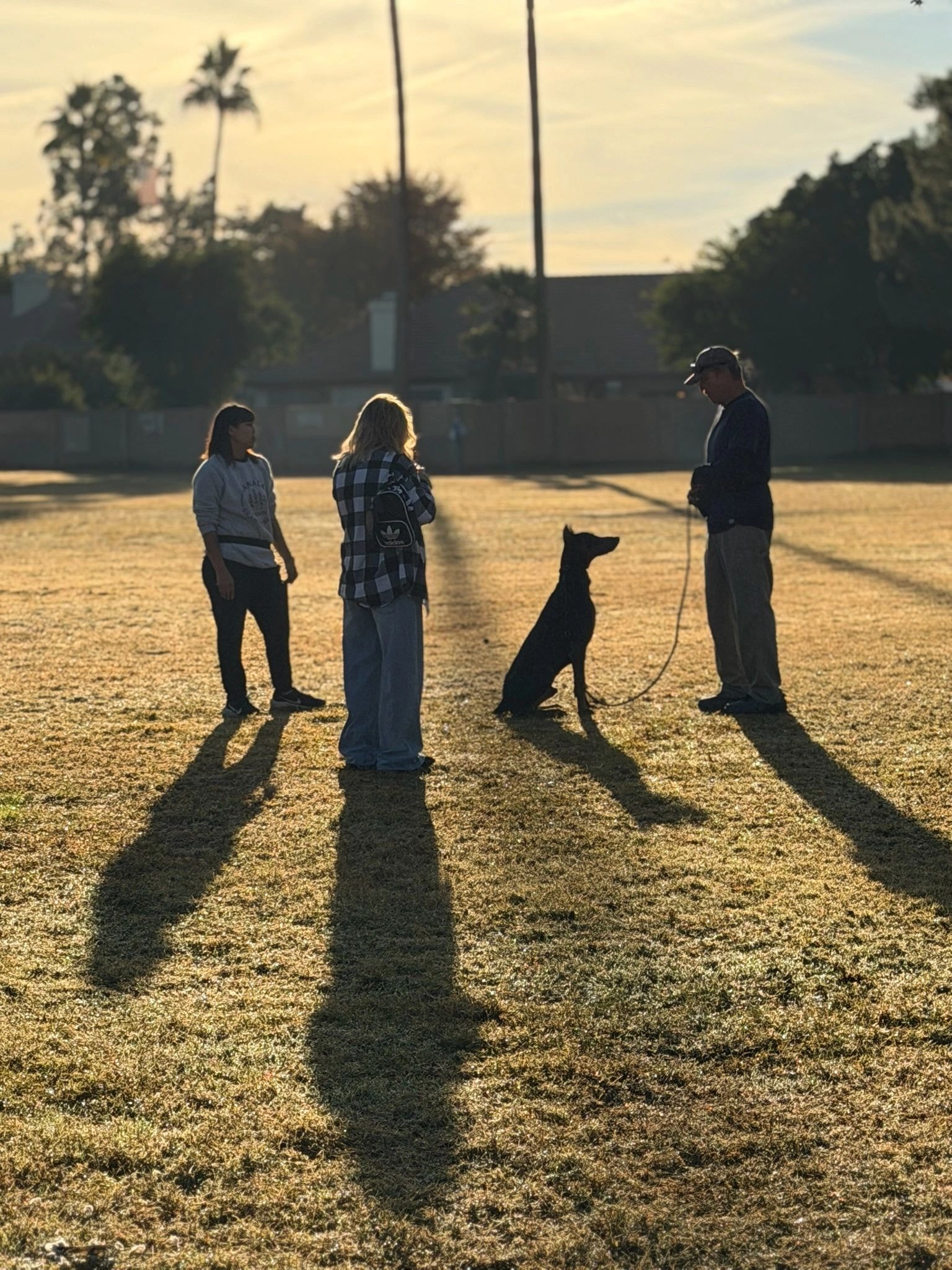
Continue Your Dog's Journey
Therapy Dog Preparation
For dogs with the right temperament, Therapy Dog Preparation helps teams build the skills needed for meaningful community work in schools, hospitals, and care facilities.
Learn moreResidency™
For families seeking immersive training and real-world support, Residency™ provides a customized Board & Train experience with owner coaching and lifelong support.
Learn moreDay School™
Continue building real-world skills through individualized training focused on manners, confidence, public skills, and AKC Canine Good Citizen milestones.
Learn moreReady to Explore Service Dog Training?
Service dog training is a meaningful commitment that requires the right dog, the right plan, and the right support. Connected Canine is here to help you understand your options, evaluate your dog's suitability, prepare for task work and public access, and explore whether Certify Canine's third-party evaluation pathway may be appropriate for your team.
Schedule an Evaluation